Usually stronger, lower maintenance and easier to position as practical everyday jewelry.
Material Comparison Guide
Stainless Steel vs Sterling Silver Jewelry: Which Is Better?
Stainless steel and sterling silver are both common jewelry materials, but they serve different customers and retail strategies. This guide compares appearance, durability, tarnish, maintenance, price and buying fit so wholesale buyers and boutiques can choose the right material mix with more confidence.
Usually better for precious-metal value, fine-jewelry positioning and traditional silver-tone appeal.
Many boutiques carry both materials to serve different price points and customer expectations.
Quick Answer
Quick answer before the full comparison
Stainless steel usually wins for durability, low maintenance and everyday wear.
Sterling silver usually wins for precious-metal value, fine-jewelry positioning and traditional silver-tone appeal.
The right choice depends on customer profile, product style, price point, care expectations and retail strategy.
Quick Comparison
Stainless Steel vs Sterling Silver at a Glance
| Feature | Stainless Steel Jewelry | Sterling Silver Jewelry |
|---|---|---|
| Material type | Steel alloy used for durable jewelry | 92.5% silver alloy with other metals |
| Typical appearance | Modern, polished and contemporary | Bright, soft silver tone with traditional appeal |
| Durability | Strong and resistant to everyday wear | Softer and more likely to scratch or bend |
| Tarnish | Generally resists tarnish better | Naturally tarnishes over time |
| Maintenance | Usually low maintenance | Requires regular cleaning and polishing |
| Price positioning | Accessible fashion and everyday jewelry | Premium or fine-jewelry positioning |
| Best for | Durable, modern and accessible collections | Precious-metal and higher-value collections |
Material Basics
What Is Stainless Steel Jewelry?
Stainless steel jewelry is made from a steel alloy designed to resist corrosion and everyday environmental exposure. It is commonly used for accessible fashion jewelry and daily-wear styles.
Common stainless steel jewelry categories include necklaces, earrings, bracelets, rings, chains, charms, cuffs and bangles.
For wholesale buyers, stainless steel is especially useful for minimalist jewelry, everyday accessories, chain jewelry, unisex jewelry and gold-tone PVD collections.
- Often chosen for practical daily-wear jewelry
- Suitable for minimalist and contemporary styles
- May be used with gold tone, silver tone, black or matte finishes
- Should always be confirmed with exact material specifications
Material Basics
What Is Sterling Silver Jewelry?
Sterling silver is an alloy containing 92.5% silver and 7.5% other metals. Pure silver is soft, so extra metals are added to improve strength and make the material more practical for jewelry production.
Sterling silver jewelry is often marked 925 or Sterling and is commonly used in rings, pendant necklaces, earrings, charm bracelets, gemstone jewelry, personalized jewelry and fine chains.
Because sterling silver contains precious metal, it is usually positioned above ordinary fashion jewelry and can support a higher retail price point.
- Usually marked 925 or Sterling
- Supports precious-metal positioning
- Common in personalized, gemstone and fine-style jewelry
- Often chosen for higher-value retail collections
Appearance
Appearance: Stainless Steel vs Sterling Silver
Both materials can produce attractive silver-tone jewelry, but their visual character is different.
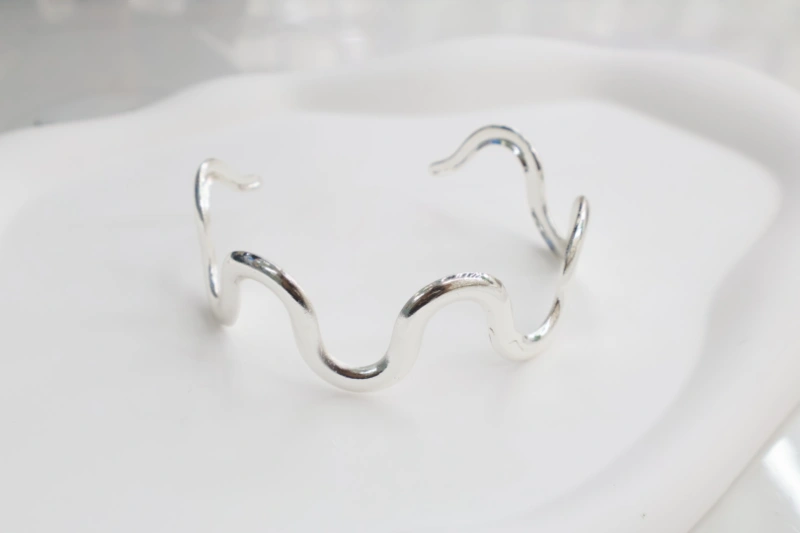
Stainless steel often looks cooler, cleaner and more contemporary. It works especially well for chain necklaces, hoop earrings, geometric rings, cuff bracelets and minimalist styles.
Sterling silver often looks softer and brighter. It is well suited to delicate necklaces, gemstone settings, engraved pieces, fine rings and artisan designs.
- Stainless steel: modern, polished and slightly more industrial
- Sterling silver: softer, brighter and more traditional
- Sterling silver can develop a darker patina over time
Durability
Which Material Is More Durable?
For everyday strength and resistance to bending, stainless steel usually has the advantage. It is hard, strong and generally less likely to deform under regular wear.
Sterling silver is softer than stainless steel. It may scratch, bend or dent more easily, especially in thin rings, fine chains, open bangles and delicate settings.
The tradeoff is that sterling silver is often easier for a professional jeweler to resize, reshape or repair.
- Stainless steel is usually better for travel jewelry and daily wear
- Sterling silver is often easier to resize or repair
- Hardness can make stainless steel more difficult to work on after production
Tarnish and Care
Does Stainless Steel or Sterling Silver Tarnish?
This is one of the biggest differences between the two materials. Good-quality stainless steel generally resists tarnish and corrosion better than sterling silver.
Sterling silver naturally tarnishes over time. Dullness, yellowing, darkening or black surface marks can appear, especially with humidity, air exposure, sweat, perfume, skincare products and sulfur-containing environments.
Gold plated or coated stainless steel may still show surface wear over time, even when the steel base remains in good condition.
- Stainless steel usually needs less daily maintenance
- Sterling silver usually needs more polishing and careful storage
- Both materials benefit from clear after-sale care instructions
Everyday Wear
Which Is Better for Water Exposure and Daily Wear?
For low-maintenance everyday jewelry, stainless steel is usually the more practical option. It can better handle humidity, sweat and light water exposure, which makes it useful for daily necklaces, hoops, chain bracelets and simple rings.
Sterling silver can also be worn daily, but repeated exposure to moisture and chemicals may increase tarnish and maintenance needs. Buyers should set the right expectations for customers who want easier-care jewelry.
- Stainless steel is usually better for humid climates and travel
- Sterling silver is better for customers who accept regular polishing
- Neither material should be oversold without care guidance
Price and Positioning
Price Difference and Retail Positioning
Sterling silver usually costs more because it contains precious metal and supports higher-value positioning. Its price is affected by silver market price, product weight, craftsmanship, gemstones and design complexity.
Stainless steel is generally more affordable and more stable for mass-market fashion jewelry. Its cost is influenced by steel grade, coating method, product weight, design complexity, stones, order quantity and packaging.
Product Fit
Which Material Is Better for Rings, Necklaces, Earrings and Bracelets?
The better choice depends on product positioning and what customers expect from each category.
Rings
Stainless steel is often better for durable everyday rings, while sterling silver is often better for gemstone, fine and personalized rings.
Necklaces
Stainless steel suits chain and layered necklaces, while sterling silver suits fine chains, pendants and premium gifts.
Earrings
Stainless steel suits hoops and accessible fashion earrings, while sterling silver suits fine studs and delicate drops.
Bracelets
Stainless steel suits cuffs and daily bracelets, while sterling silver suits finer bracelet designs and premium gifts.
Buyer Strategy
Stainless Steel vs Sterling Silver for Boutiques and Wholesale Buyers
For boutiques, the decision should be based on customer profile, price positioning and the level of care your audience expects.
Choose stainless steel when you need accessible retail pricing, everyday durability, low-maintenance jewelry, trend-driven collections and strong chain or cuff styles.
Choose sterling silver when you need precious-metal positioning, higher price points, fine or delicate designs, gemstone settings, personalized jewelry or traditional gift collections.
- Many boutiques sell both materials in one assortment
- Use stainless steel for everyday and trend collections
- Use sterling silver for premium and gift-focused collections
- Ask about material specifications before placing a bulk order
Related Sourcing
What to Review After This Comparison
Use these pages to move from material education into practical wholesale sourcing, product selection and quote requests.
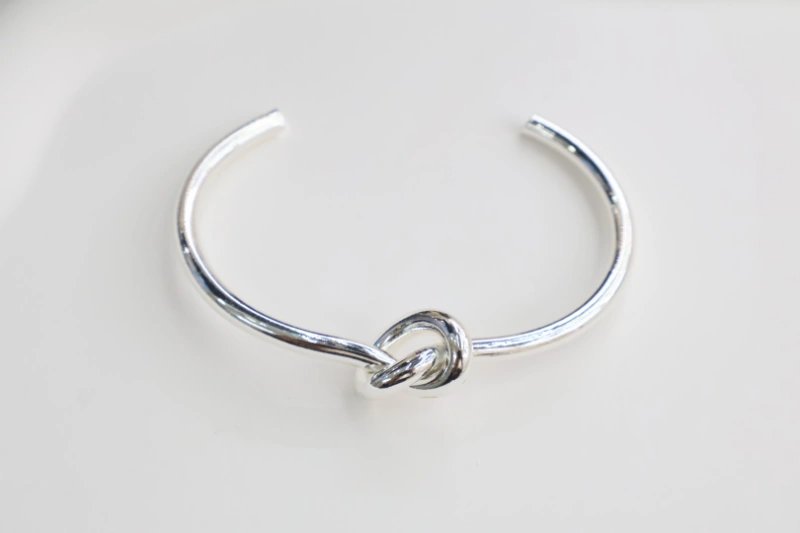
Stainless Steel Jewelry Wholesale
Explore stainless steel earrings, necklaces, bracelets and rings for boutique sourcing.
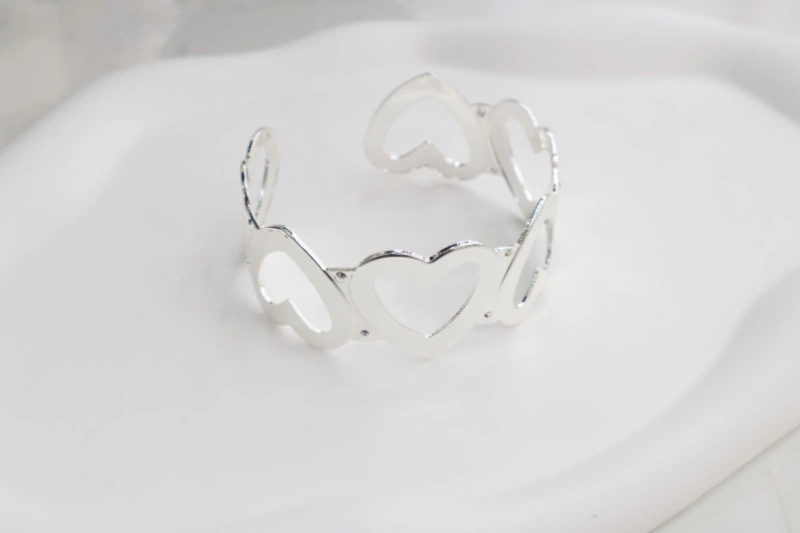
Stainless Steel Jewelry for Women
Browse women-focused stainless steel collections with everyday wear appeal.
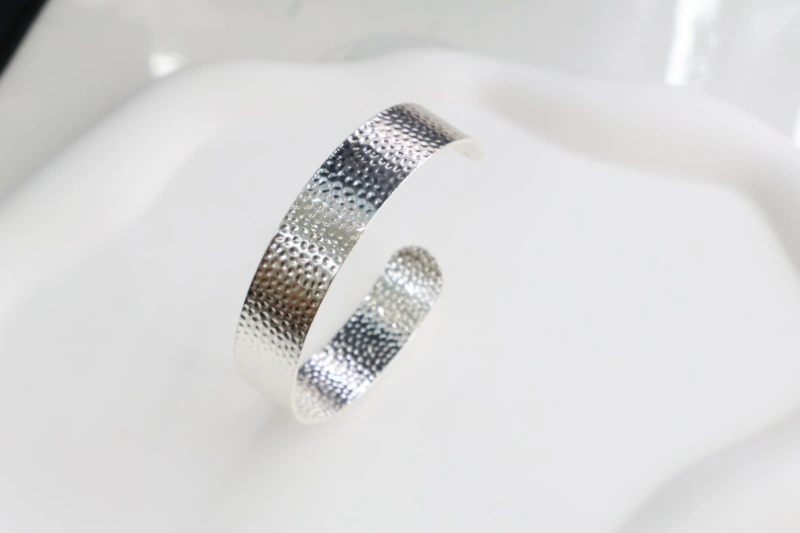
Is Stainless Steel Jewelry Waterproof?
Learn how stainless steel jewelry performs around water and what buyers should check.
Request a Quote
Send quantities, style references and packaging needs for wholesale sourcing support.
FAQ
Frequently Asked Questions
Is stainless steel better than sterling silver?
Stainless steel is usually better for durability, low maintenance and accessible everyday jewelry. Sterling silver is better for precious-metal positioning, delicate designs and higher-value collections. The best material depends on the customer and product strategy.
Does stainless steel last longer than sterling silver?
Stainless steel generally resists scratches, bending, tarnish and daily wear better than sterling silver. Sterling silver can last for many years but usually requires more polishing, careful storage and maintenance.
Which tarnishes more, stainless steel or sterling silver?
Sterling silver tarnishes more readily. Good-quality stainless steel generally resists tarnish and corrosion better, although coatings and gold-tone finishes can still wear over time.
Is sterling silver more valuable than stainless steel?
Yes. Sterling silver contains 92.5% silver and has precious-metal value. Stainless steel is generally more affordable and is positioned more often as fashion or everyday jewelry.
Which is better for sensitive skin?
It depends on the exact alloy and the wearer. Some stainless steel and sterling silver products are suitable for many sensitive customers, but neither material should automatically be described as allergy-free without supporting material information or testing.
Can you shower with stainless steel or sterling silver jewelry?
Stainless steel usually handles occasional water exposure better. Sterling silver may tarnish more quickly with repeated moisture and chemical exposure. Removing both materials before showering can help preserve their finish.
Can boutiques sell stainless steel and sterling silver together?
Yes. Stainless steel can serve accessible everyday and trend collections, while sterling silver can support premium, personalized and gift-focused products.
Next Step
Ready to source stainless steel jewelry for your boutique?
Browse our stainless steel wholesale pages, review practical daily-wear styles and send one inquiry for samples, low MOQ planning, mixed styles, custom packaging and shipping support.